Bulking Macro Calculator
Calculate calories and macros for lean muscle gain with a structured bulking plan and practical macro targets.
Enter Details
Unlock Pro Features
Get unlimited calculations, advanced charts, and downloadable PDF reports.
Building muscle is not only about training harder. It is about fueling your body with precision.
Many people train consistently but struggle to grow because nutrition is not structured. A bulking macro calculator removes guesswork and gives you a clear roadmap for muscle gain.
If your goal is lean size, strength, and performance, understanding your calories and macros is non-negotiable.
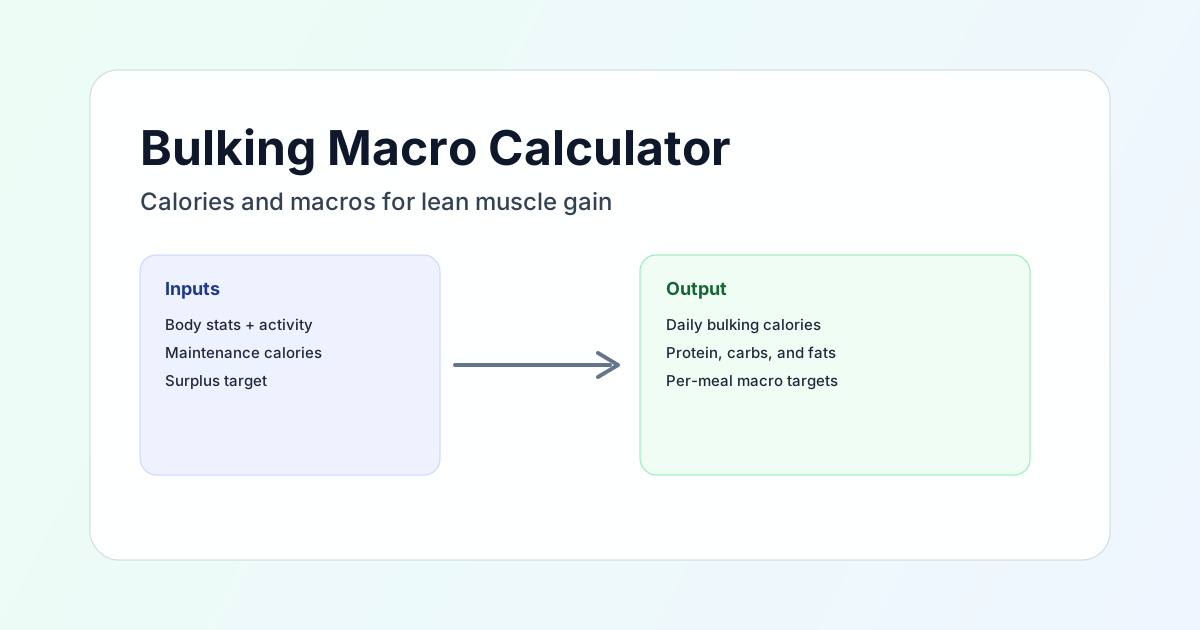
A bulking macro calculator helps you determine:
- Daily calorie intake for muscle gain using the Calorie Calculator
- Protein needed for muscle repair and growth
- Carbohydrates to fuel workouts
- Fats to support hormones and recovery
In short, it tells you exactly how to eat to grow muscle efficiently, not just gain weight.
Step 1
Calculate maintenance calories with TDEE Calculator
Step 2
Add a calorie surplus
Step 3
Distribute protein, carbs, and fats
- Lean bulk: +250 to +350 kcal
- Faster bulk: +400 to +500 kcal
- Protein: 1.6 to 2.2g per kg body weight (you can cross-check with Protein Intake Calculator)
- Fats: 20 to 30% of total calories
- Carbohydrates: remaining calories
- Weight: 70 kg
- Maintenance Calories: 2,500 kcal
- Bulking Calories: 2,900 kcal
- Protein: 140g
- Fats: 80g
- Carbs: 375g
Most people under-eat carbs during a bulk, and that directly impacts strength and training intensity.
A calorie surplus means consuming more energy than your body burns daily. Without this surplus, your body does not have enough resources for optimal muscle protein synthesis.
Evidence-based nutrition guidance from Harvard Health and Mayo Clinic also supports balanced fueling during high training phases.
Why a surplus is critical
- Supports muscle building at a cellular level
- Enhances recovery after workouts
- Improves training performance and strength output
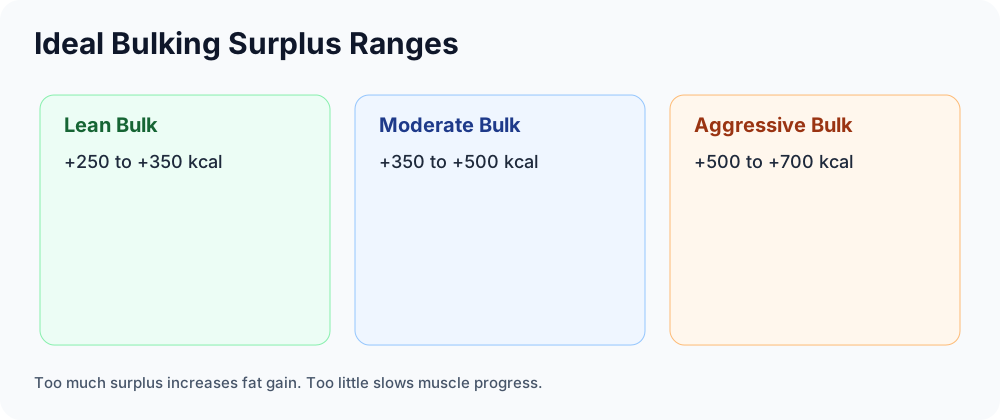
Too much surplus can increase fat gain, while too little can slow or stop progress.
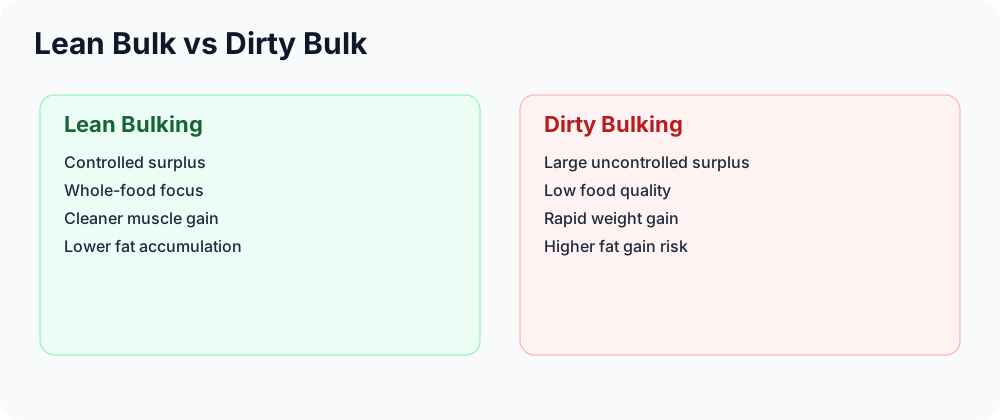
Lean bulking uses a controlled surplus and quality foods, while dirty bulking often drives rapid weight gain with much higher fat accumulation.
If your goal is an aesthetic physique and long-term progress, lean bulking is usually the smarter, more sustainable choice.
- Protein: 25 to 30%
- Carbohydrates: 45 to 55%
- Fats: 20 to 30%
Protein supports hypertrophy, carbohydrates fuel resistance training and glycogen replenishment, and fats support hormones like testosterone.
If workouts feel weak, increase carbs slightly. If fat gain rises too quickly, reduce calories from carbs or fats modestly.
- Eating excess calories too aggressively
- Low protein intake
- Not tracking body weight trends
- Ignoring progressive strength training
- Poor food quality and low micronutrient intake
- Aim for about 0.25 to 0.5 kg weight gain per week
- Prioritize compound lifts such as squat, deadlift, and bench press
- Sleep 7 to 9 hours for recovery and adaptation
- Adjust calories every 2 to 3 weeks based on progress
- Stay consistent because muscle gain is a long-term process
For a more advanced and personalized breakdown, use the Bodybuilding Macro Calculator. This bulking calculator works best as a foundation, while the main tool gives you a complete nutrition system.
Bodybuilding Macro Calculator - precise calorie targets, custom macro splits, and goal-based adjustments.A bulking macro calculator gives you a structured, science-backed approach to muscle gain. Instead of guessing your diet, you align nutrition with training and recovery.
Track your progress, adjust intake when needed, and stay consistent. That is how sustainable muscle growth happens.
Disclaimer: This calculator provides estimates for informational purposes only. Results may vary based on individual factors.