Cutting Macro Calculator for Fat Loss and Muscle Retention
Calculate accurate macros, burn fat efficiently, and maintain lean muscle without guesswork using this cutting macro calculator.
Enter Details
Unlock Pro Features
Get unlimited calculations, advanced charts, and downloadable PDF reports.
I used to think fat loss was simple: eat less and move more. But aggressive cuts often cause stalled progress, low energy, and muscle loss.
Once calories and macros are structured around your training and activity, fat loss becomes much more predictable and sustainable.
If you feel stuck despite effort, this guide helps you use macros strategically for real fat loss.
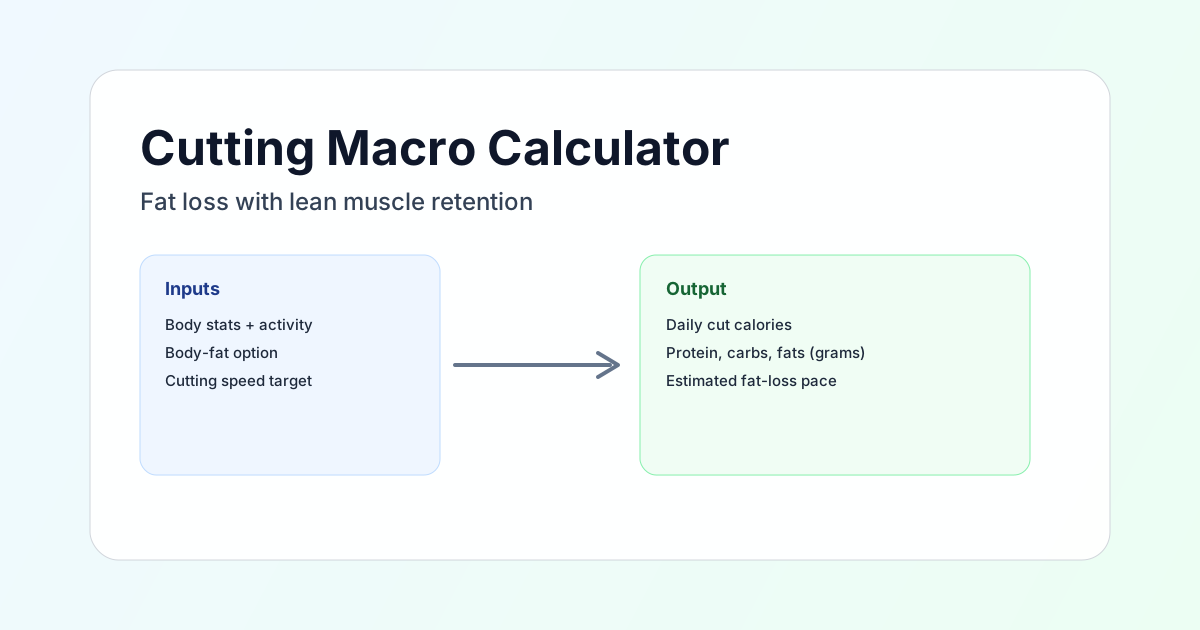
A cutting macro calculator helps determine calories and macronutrients needed to lose fat while preserving lean muscle mass.
It calculates:
- Total daily calorie intake
- Protein intake for muscle retention
- Fat intake for hormonal health
- Carbohydrates for energy and performance
You can verify your baseline with the TDEE Calculator and refine intake via the Calorie Calculator.
- Cutting calories too aggressively
- Not eating enough protein
- Ignoring strength training
- Following random non-personalized plans
- Expecting unrealistic speed
According to the National Institutes of Health, muscle loss can occur during calorie restriction if protein and resistance training are not managed properly.
Step 1: Basal Metabolic Rate Calculation
Baseline calories are estimated using Mifflin-St Jeor with weight, height, age, and gender. For quick baseline comparison, use BMR.
Step 2: Activity and Training Analysis
Activity and training behavior help refine daily energy expenditure, similar to the TDEE Calculator approach.
Step 3: Goal-Based Calorie Deficit
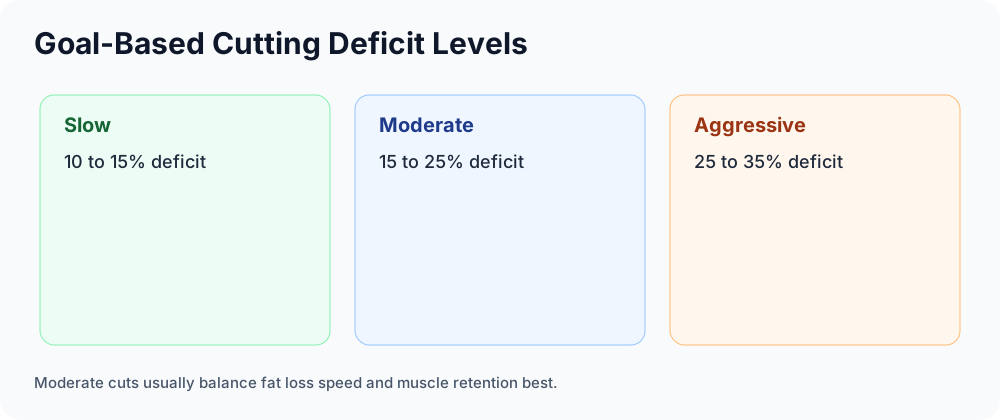
The CDC recommends gradual fat loss for long-term sustainability.
Step 4: Body Fat-Based Optimization
If body-fat percentage is provided, macro targets can better align to lean mass. Track this with the Body Fat Calculator.
Step 5: Smart Macro Distribution
- Protein: about 2.0 to 2.2 g/kg
- Fats: about 0.6 to 0.8 g/kg
- Carbohydrates: remaining calories
Step 6: Instant Practical Output
You get clear daily calorie and macro numbers with estimated fat-loss pace for immediate implementation.
Higher protein intake is consistently linked with better lean-mass retention during cuts.
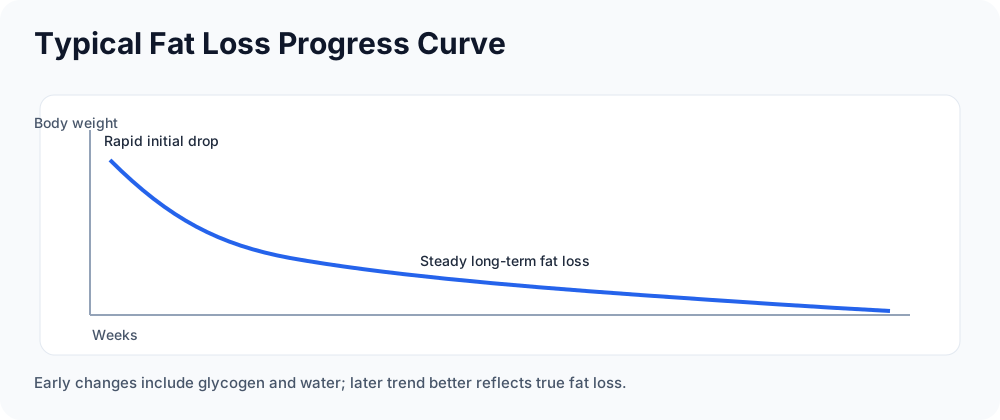
Fat loss is not linear. Early drops often include water and glycogen changes, then fat loss becomes slower and more stable.
The World Health Organization highlights steady weight reduction as more sustainable than aggressive short-term approaches.
- Plan meals around protein first (support with Protein Intake Calculator)
- Track intake consistently
- Adjust calories every 2 to 3 weeks based on trend
- Keep resistance training a top priority
Refeed Days: temporary higher calories can support adherence and training quality.
Carb Cycling: higher carbs on hard training days, lower on rest days.
Adaptive Calories: reduce/adjust intake as body weight decreases.
Strength Tracking: protects muscle while cutting.
- Eating too little and slowing training performance
- Insufficient protein intake
- Relying only on cardio
- Poor food tracking accuracy
- Ignoring sleep and recovery
- Prioritize protein intake
- Train with resistance regularly
- Maintain a moderate calorie deficit
- Sleep adequately and recover well
- Stay consistent over time
Fat loss does not need to be confusing. When calories and macros align with your body and goals, results become more predictable.
Use this tool consistently, track progress, and adjust as needed. That is how sustainable fat loss works.
Disclaimer: This calculator provides estimates for informational purposes only. Results may vary based on individual factors.